Isolation at Sea: How Mariners Can Stay Mentally Strong During Long Tours
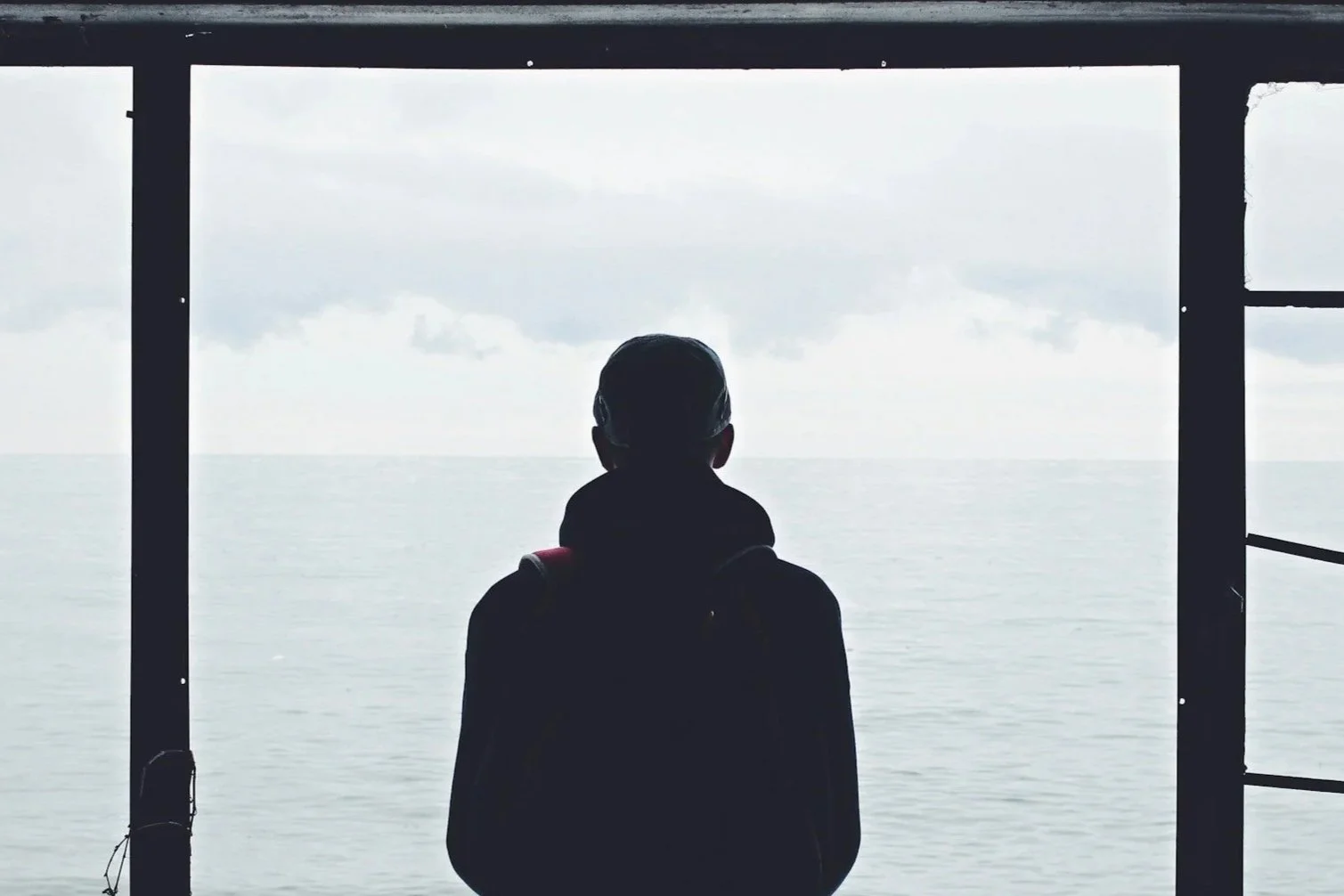
Isolation is one of the most unique challenges of maritime life.
Even when surrounded by a crew, many mariners experience periods of isolation during long tours at sea. The combination of physical separation from home, limited social variety, and sustained work demands creates an environment where isolation can quietly build over time.
Understanding how isolation impacts mental performance—and how to navigate it—is an essential part of long-term resilience at sea.
Why Isolation at Sea Is Different
Isolation at sea is not the same as simply being alone.
Mariners often experience:
physical separation from family and support systems
limited contact with people outside the vessel
repetitive social environments with the same crew
reduced privacy and personal space
This creates a unique dynamic where a person can feel both constantly surrounded and internally isolated at the same time.
This experience is part of the broader emotional rhythm of maritime life, where extended time away creates distinct psychological phases.
How Isolation Builds Over Time
Isolation is rarely immediate.
It tends to develop gradually as:
communication with home becomes less frequent or meaningful
routines become repetitive
mental fatigue increases
emotional bandwidth decreases
Over time, this can lead to a sense of disconnection, even when daily responsibilities continue at a high level.
The Impact on Performance and Well-Being
Isolation affects more than mood.
It can influence:
Focus
Sustained isolation can make it harder to maintain attention and engagement, especially during long or repetitive tasks.
Communication
Isolation can lead to withdrawal or reduced communication, which can impact team cohesion and effectiveness, especially in environments that depend on strong communication and leadership in maritime crews.
Emotional Regulation
When isolation combines with fatigue, emotional responses can become stronger or less predictable.
Motivation
A prolonged sense of disconnection can reduce motivation, making it harder to stay engaged over the course of a long tour.
The Connection to Fatigue and Burnout
Isolation rarely exists on its own.
It often overlaps with:
physical and cognitive fatigue
emotional exhaustion
reduced recovery time
These overlapping factors are closely related to fatigue at sea and how it impacts performance and can contribute to longer-term patterns like burnout.
Why Isolation Often Goes Unnoticed
Isolation can be difficult to recognize because:
it develops gradually
it may not interfere with immediate responsibilities
it is often considered part of the job
there may be limited opportunity to reflect on it
Because of this, mariners may continue performing while feeling increasingly disconnected.
What Helps Maintain Mental Strength
Managing isolation does not mean eliminating it.It means learning how to navigate it more effectively.
Helpful strategies often include:
maintaining consistent communication with people at home when possible
creating small routines that provide a sense of structure and normalcy
staying aware of shifts in mood and engagement
adjusting expectations during periods of lower energy
These practices are part of building mental resilience for mariners, especially during extended tours.
The Role of Awareness and Intentional Action
Isolation becomes more manageable when it is acknowledged.
Awareness allows mariners to:
recognize when disconnection is increasing
take small, intentional steps to stay engaged
maintain stronger communication with crew and family
support long-term well-being and performance
Even small actions can make a meaningful difference over time.
Final Thoughts
Isolation at sea is not unusual—it is part of the environment.
But it does not have to negatively impact performance or well-being.
With awareness and the right tools, mariners can stay mentally engaged, connected, and resilient throughout long tours at sea.
WHAT MAKES ALLISON UNIQUE
My perspective on maritime resilience is shaped by nearly two decades of living within a maritime family. Through my husband’s long career as a maritime engineer, I have witnessed firsthand the realities of long tours at sea, international shipyards, and the transition into shoreside leadership.
WHY MARITIME COACHING IS DIFFERENT
Long tours at sea require different mental recovery strategies
Leadership dynamics onboard vessels differ from corporate settings
Reintegration with family after weeks away requires intentional tools
If you would like to learn more about coaching for maritime professionals and crews, you can explore more here: