Fatigue at Sea: How Mariners Can Maintain Focus During Long Voyages
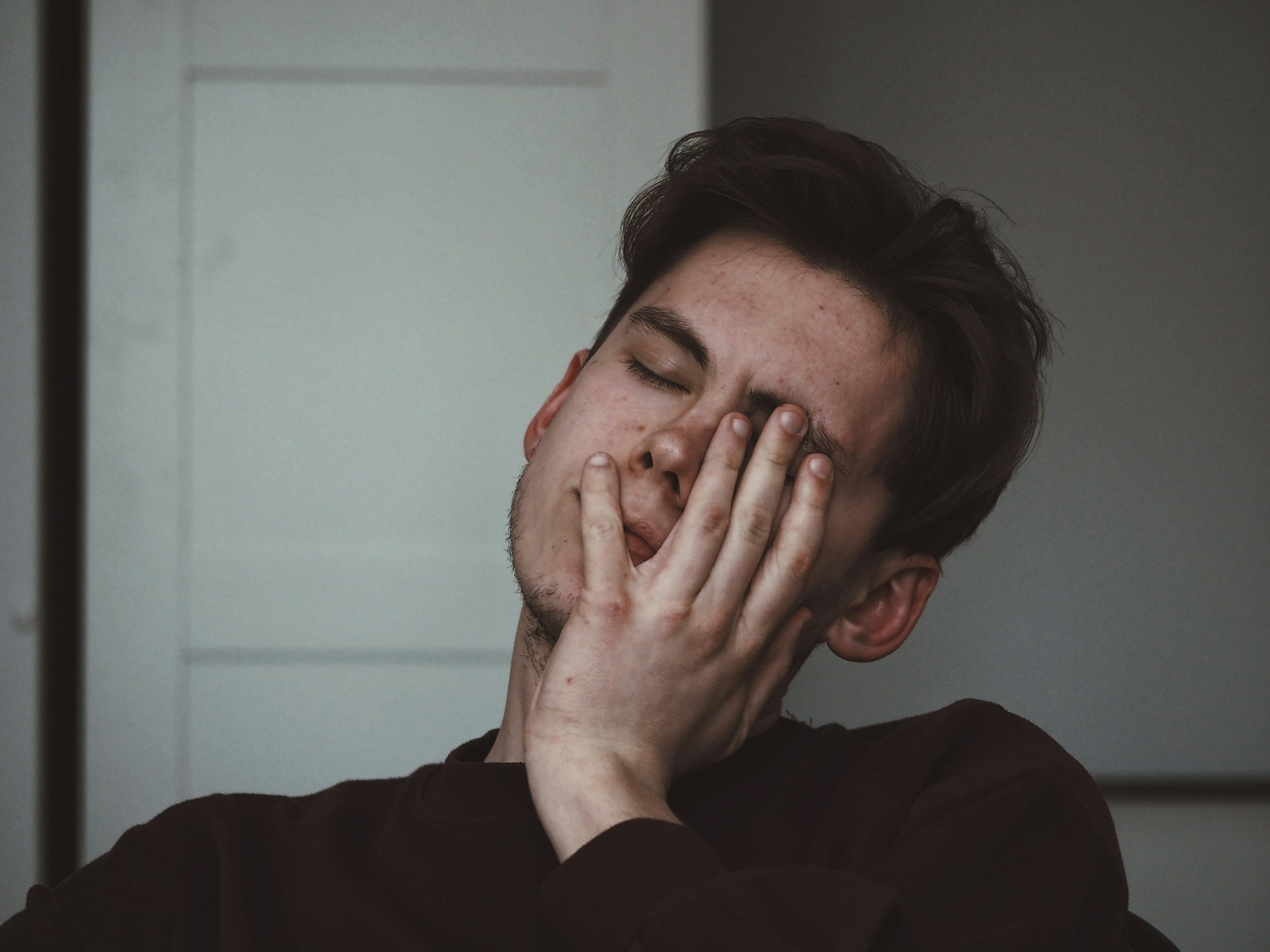
Fatigue at sea is not just uncomfortable—it’s dangerous.
For mariners, long tours, irregular sleep, night watches, and constant operational demands create a level of fatigue that most people on land will never fully understand. Over time, that fatigue doesn’t just affect how you feel—it impacts your judgment, reaction time, emotional regulation, and overall safety.
And yet, for many in the maritime industry, fatigue becomes normalized.
“It’s just part of the job.”
But it doesn’t have to quietly erode your performance.
With the right awareness and tools, mariners can protect their focus, improve resilience, and stay sharp—even during long voyages.
Why Fatigue at Sea Is So Different
Fatigue offshore isn’t the same as being tired after a long day on land.
It’s cumulative, layered, and often unavoidable.
Mariners face:
Fragmented sleep schedules
Night watches that disrupt natural circadian rhythms
Long work hours with minimal recovery
Constant low-level stress and responsibility
Limited environmental variation (same views, same routines)
Over time, this creates cognitive fatigue, not just physical tiredness.
That’s when you may notice:
Slower decision-making
Reduced attention to detail
Difficulty staying present or engaged
This is where risk increases—not because someone isn’t capable, but because their system is overloaded.
The Hidden Risk: “Functional Fatigue”
One of the most dangerous forms of fatigue is what I call functional fatigue.
You’re still doing your job.
You’re still showing up.
But you’re not operating at your full capacity.
This is when:
Small mistakes start creeping in
Communication becomes less clear
Situational awareness narrows
And the hardest part?
Most mariners don’t notice the shift right away—because it happens gradually.
How to Maintain Focus at Sea (Even When You’re Tired)
You can’t eliminate fatigue completely offshore.
But you can manage how much it impacts your performance.
Here are the most effective strategies:
1. Protect What Sleep You Can Get
You may not control your schedule—but you can improve your recovery.
Focus on:
Creating the darkest sleep environment possible
Reducing light exposure before rest
Keeping your sleep window consistent when possible
Even small improvements in sleep quality can significantly improve alertness.
2. Use Light to Your Advantage
Light is one of the most powerful tools for regulating alertness.
Bright light = signals your brain to be awake
Darkness = signals your brain to rest
When possible:
Get bright light exposure at the start of your wake period
Minimize light exposure before sleep
This helps stabilize your internal clock—even in unpredictable schedules. Many additional steps are provided during coaching sessions.
3. Manage Caffeine Strategically
Caffeine is useful—but only when used intentionally.
Avoid:
Constant low-level consumption throughout your shift
Using caffeine too close to sleep
Instead:
Use caffeine at the start of your work period
Time it to support alertness—not mask exhaustion
4. Build Micro-Recovery Moments
You don’t need hours to reset your brain.
Even 2–5 minutes can help.
Try:
Stepping outside for fresh air
Controlled breathing (slow inhale, slow exhale)
Brief mental reset: stepping away from task focus
These small resets improve clarity and reduce mental fatigue.
5. Watch for Cognitive Drift
One of the most important skills is learning to recognize when your focus is slipping.
Ask yourself:
Am I rereading the same thing multiple times?
Am I missing small details?
Am I feeling mentally “foggy”?
Awareness is what allows you to adjust before mistakes happen.
Fatigue Is Not a Personal Weakness
This is critical.
Fatigue is not a reflection of your discipline, toughness, or capability.
It is a physiological response to:
Sleep disruption
Extended workload
Environmental stress
The strongest mariners are not the ones who ignore fatigue.
They are the ones who recognize it—and manage it effectively.
The Bigger Picture: Performance, Safety, and Longevity
Managing fatigue isn’t just about getting through a shift.
It’s about:
Staying sharp in critical moments
Protecting your long-term health
Maintaining leadership and communication under pressure
And most importantly—it’s about safety.
For you, your crew, and the vessel.
Where Coaching Fits In
Fatigue is not just physical—it’s cognitive and emotional. This is where coaching becomes powerful. This is especially true when stressors from home are compartmentalized and start to cause additional issues that can be subtle.
In our work together, we focus on:
Building awareness of performance patterns
Strengthening focus under pressure
Creating systems that support consistency—even in unpredictable environments
Because at sea, you don’t need more motivation.
You need tools that work within the reality of your job.
To learn more about coaching for maritime professionals and teams, visit:
WHAT MAKES ALLISON UNIQUE
I come from a family deeply connected to maritime life. I understand the rhythm of going to sea, the transitions, and the demands that come with it—not just professionally, but personally. Combined with my training in resilience, leadership, and performance-based coaching, my work is designed specifically for mariners who want practical tools—not just conversation—to improve how they operate at sea and at home.
If you're ready to strengthen your focus, resilience, and performance, you can get started here:
https://www.larkspurwellness.com/contact
WHY MARITIME COACHING IS DIFFERENT
Built for the realities of long tours, not land-based routines
Focused on action and performance—not just awareness
Designed to improve decision-making, resilience, and leadership under pressure
Learn more:
https://www.larkspurwellness.com/maritime-professionals
Continue Building Strength at Sea
If this topic resonates, you may also find these helpful:
✔ Leadership at Sea: How Strong Communication Builds Safer Crews
✔ Why Mariners Struggle When Returning Home After a Tour (And How to Adjust)
If you're ready to strengthen your leadership, resilience, and performance at sea, you can learn more about coaching here:
👉 Schedule Your Session