Stress at Sea: Why It Builds and What Mariners Can Do About It
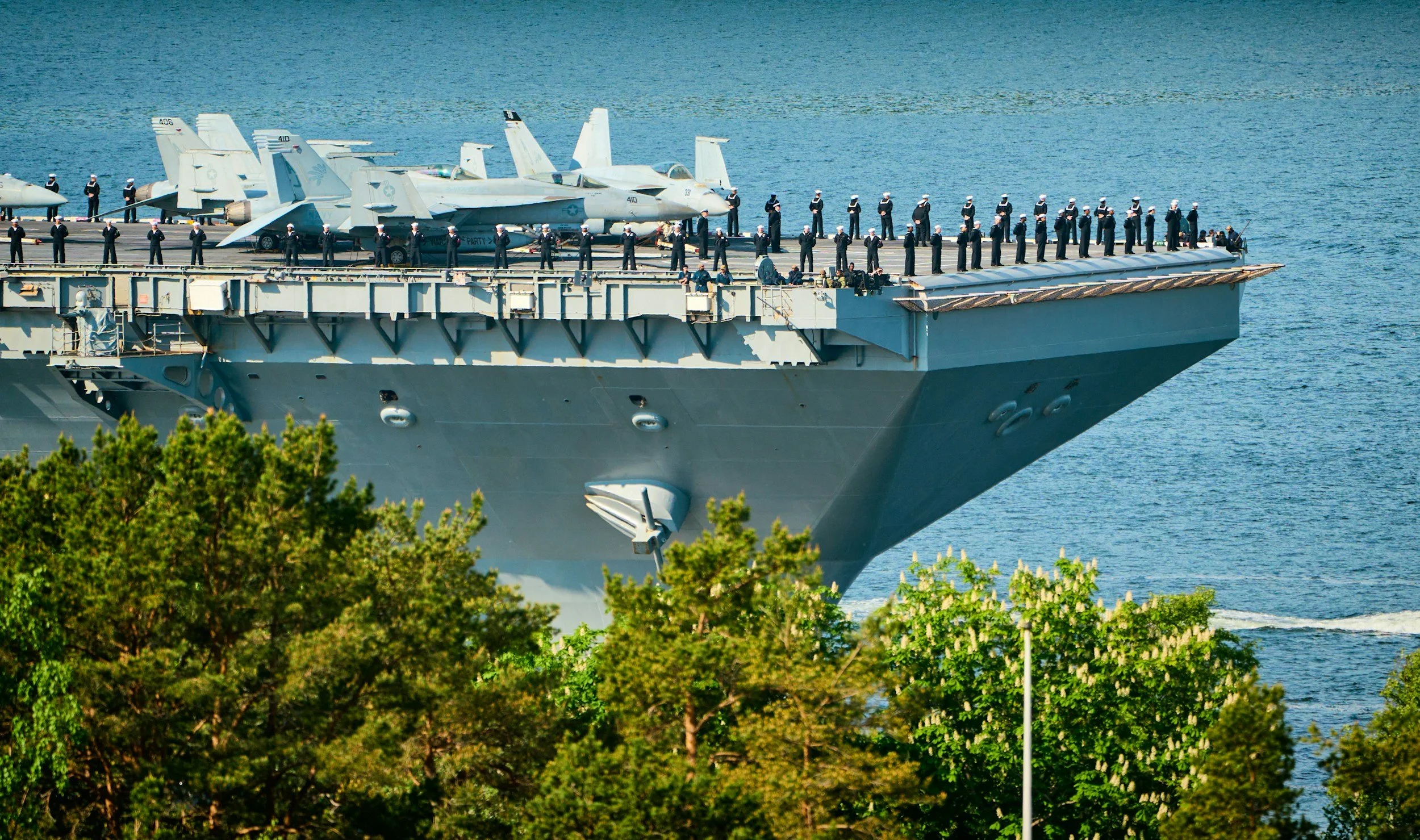
Stress at sea is part of the job.
Most mariners know this going in.
But there is a difference between the stress that sharpens performance and the kind that quietly accumulates — wearing down focus, relationships, and resilience over time.
Understanding that difference is one of the most important things a maritime professional can do for their long-term health and career.
Why Stress at Sea Is Different
Stress on land and stress at sea are not the same experience.
On land, most people have natural release valves — they go home, change environments, connect with family, or simply step away from the source of pressure.
At sea, those release valves are largely unavailable.
The same environment that generates stress is the one you eat, sleep, and rest in. There is no commute home. No separation between work and recovery space.
This is what makes maritime stress uniquely cumulative.
What Causes Stress to Build at Sea
Several factors combine to make stress harder to manage offshore:
high operational responsibility with limited downtime
disrupted sleep cycles and ongoing fatigue
close quarters with limited privacy
prolonged separation from family and support systems
environmental unpredictability — weather, mechanical issues, schedule changes
the weight of leadership and crew safety
Any one of these would be manageable in isolation.
Together, sustained over weeks or months, they create conditions where stress accumulates faster than it can be released.
The Signs That Stress Is Becoming a Problem
Stress becomes a performance and health concern when it stops being acute and becomes chronic.
Signs that stress has moved beyond normal include:
persistent irritability or emotional reactivity
difficulty sleeping even when rest is available
reduced ability to concentrate or make decisions
physical symptoms — headaches, tension, digestive issues
emotional withdrawal from crew or communication
a sense of dreading the next watch or shift
These are not signs of weakness.
They are signs that the body and mind are responding to sustained pressure without adequate recovery.
This is closely related to what happens in burnout at sea — where unaddressed stress eventually shifts into deeper depletion.
Why Mariners Often Push Through
Maritime culture tends to reward endurance.
There is a deep professional pride in handling difficulty without complaint — and in many situations, that resilience is genuinely valuable.
But pushing through chronic stress without tools or awareness has a cost.
Performance declines gradually. Communication becomes reactive. Decision-making suffers.
And by the time the effects are obvious, the stress has often been building for months.
What Actually Helps
Managing stress at sea is not about eliminating pressure — it is about building the capacity to absorb and recover from it.
Approaches that work in maritime environments include:
Structured Downtime
Recovery doesn't happen automatically. Intentional rest — even brief periods of genuine disengagement from operational thinking — helps the nervous system reset between watches.
Physical Routine
Consistent movement, even in limited spaces, is one of the most effective tools for managing stress hormones and improving sleep quality.
Regulating the Internal State
Learning to recognize and shift emotional states quickly is a core skill for high-performance environments. This is a central part of building mental resilience as a mariner — and it is a skill that can be learned and strengthened over time.
Communication Awareness
Stress frequently shows up first in how mariners communicate — shorter responses, increased friction, reduced patience.
Maintaining awareness of communication patterns is an early warning system for stress levels, and a key part of effective crew communication and leadership.
Maintaining Connection
Staying connected to family and relationships ashore — even through brief, consistent contact — provides an emotional anchor that reduces the weight of prolonged separation.
What Families Can Do
Stress at sea doesn't stay at sea.
Mariners often carry accumulated tension home, and families absorb it without always understanding where it's coming from.
Partners and families who understand the nature of maritime stress are better equipped to respond with patience rather than confusion — and to support the transition home more effectively.
You can read more about that in How to Support a Mariner's Mental Health When They Come Home.
When to Seek Support
Stress management tools go a long way.
But sometimes the accumulation is deep enough that outside support makes a meaningful difference.
Coaching is worth exploring when:
stress feels chronic rather than situational
performance or communication is consistently affected
the recovery between tours is getting shorter
stress is affecting relationships at home
Working with a coach who understands the maritime environment means the tools you get are built for your reality — not adapted from a corporate wellness program.
You can learn more about what that looks like at Larkspur Wellness Maritime Coaching.
Final Thoughts
Stress at sea is real, and it is manageable.
The mariners who perform at the highest level over long careers are not the ones who feel no stress.
They are the ones who understand it — and have the tools to work with it.
WHAT MAKES ALLISON UNIQUE
My perspective on maritime resilience is shaped by nearly two decades of living within a maritime family. Through my husband's long career as a maritime engineer, I have witnessed firsthand the realities of long tours at sea, international shipyards, and the transition into shoreside leadership.
WHY MARITIME COACHING IS DIFFERENT
Long tours at sea require different mental recovery strategies
Leadership dynamics onboard vessels differ from corporate settings
Reintegration with family after weeks away requires intentional tools
If you would like to learn more about coaching for maritime professionals and crews, you can explore more here: