Emotional Resilience and Leadership in Maritime Careers
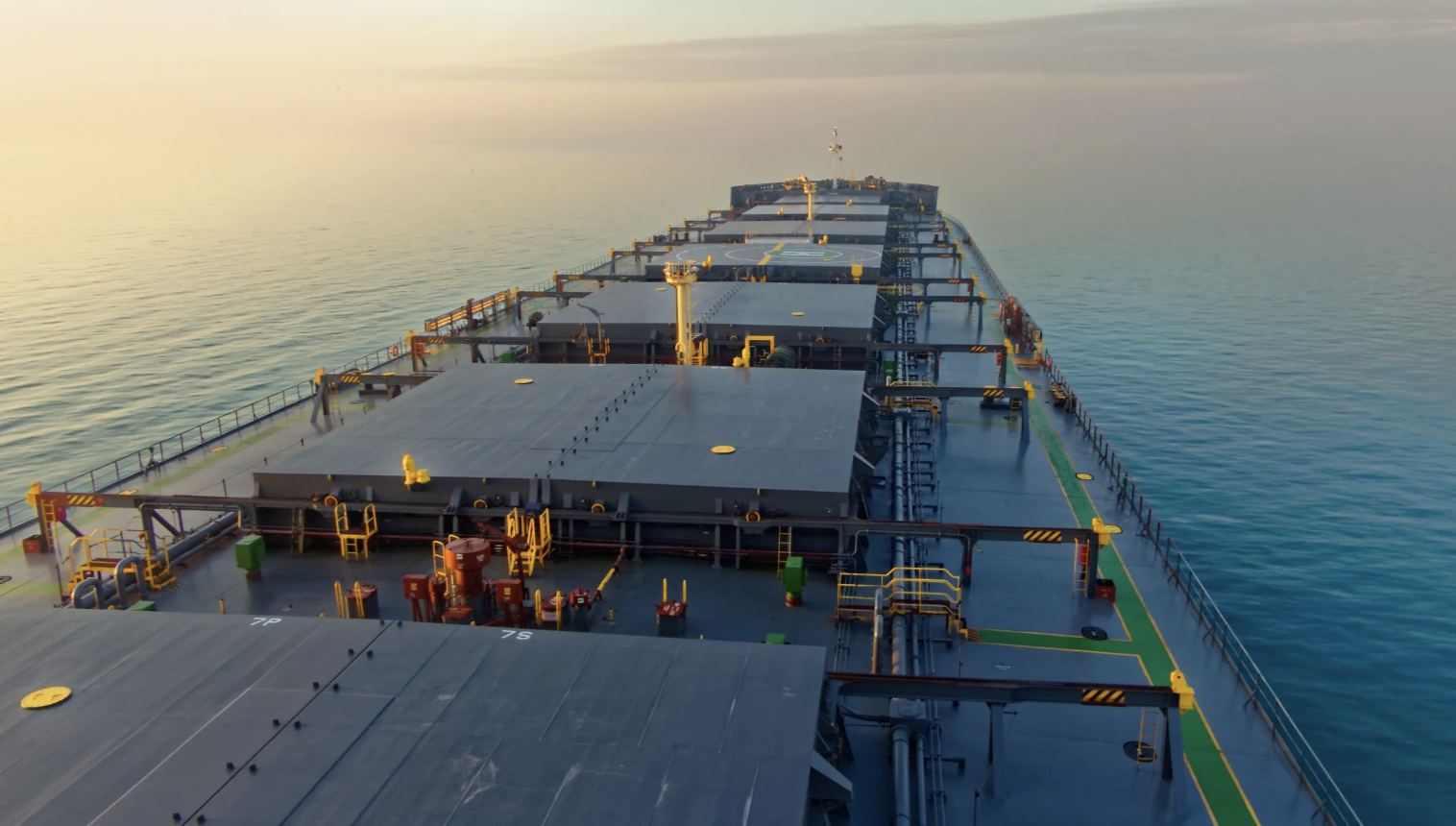
Working in the maritime industry requires a unique combination of technical skill, discipline, and leadership.
Captains, officers, and senior crew members are responsible not only for the operational performance of a vessel, but also for the safety and effectiveness of the people working alongside them. Decisions must often be made quickly, under pressure, and in environments where fatigue and long rotations can compound stress.
In this kind of environment, emotional resilience becomes just as important as technical expertise.
The Pressure of Leadership at Sea
Leadership in maritime careers carries a level of responsibility that many professions never experience.
Crew members depend on their leaders to remain calm, focused, and decisive even when conditions are difficult. Long tours at sea, tight schedules, and complex operational demands mean that leaders must consistently regulate their own stress while guiding others.
Over time, this level of responsibility can take a quiet toll.
Maritime leaders may find themselves carrying stress without many outlets for processing it. Because strong leadership often requires composure, many professionals simply continue performing without addressing the cumulative pressure of the job.
How Stress Affects Leadership and Crew Performance
When stress builds without healthy regulation, it can influence how leaders communicate, make decisions, and interact with their crews.
Common challenges include:
irritability or shortened patience during long tours
difficulty maintaining perspective under pressure
communication breakdowns between crew members
fatigue that affects decision-making
challenges mentoring newer crew members
None of these challenges reflect poor leadership. They reflect the reality of operating in demanding environments.
But developing tools to manage stress effectively can significantly improve both leadership clarity and crew cohesion.
Emotional Resilience as a Leadership Skill
Emotional resilience is not simply about “toughness.” It is the ability to regulate internal stress while maintaining clear thinking and effective communication.
For maritime leaders, resilience skills often include:
maintaining composure during high-pressure decisions
communicating clearly with crews during difficult situations
managing fatigue and sustained operational stress
navigating conflict or tension within teams
transitioning effectively between life at sea and life at home
These skills help leaders remain steady even when circumstances become unpredictable.
Supporting Sustainable Maritime Leadership
Many maritime professionals spend decades building their careers. Sustaining that level of performance over time requires more than technical mastery.
Leaders who develop strong emotional resilience are often better equipped to support their crews, maintain safety culture, and sustain long careers in the industry.
Coaching for maritime professionals focuses on helping leaders develop practical tools for managing stress, improving communication, and maintaining clarity during demanding tours at sea.
These tools support both individual well-being and stronger crew performance.
A Culture of Strength and Support
The maritime profession has always valued discipline, responsibility, and reliability. Strengthening emotional resilience builds on those traditions by helping professionals maintain their steadiness over the long term.
As the industry continues to evolve, supporting the well-being of maritime leaders and crews will remain an important part of sustaining safe and successful operations at sea.
If you would like to learn more about coaching for maritime professionals, you can explore more here:
https://www.larkspurwellness.com/maritime-professionals
FAQ
Why is emotional resilience important in maritime leadership?
Maritime leaders operate under constant responsibility and operational pressure. Emotional resilience helps leaders regulate stress, maintain clear thinking, and communicate effectively with their crews.
How can coaching help maritime professionals?
Coaching provides practical tools for stress management, leadership communication, and maintaining focus during long tours at sea.
Can emotional resilience improve crew performance?
Yes. Leaders who regulate stress effectively often communicate more clearly, support stronger teamwork, and help maintain a stable safety culture.
What Makes Allison Unique
My perspective on maritime resilience is shaped by nearly two decades of living within a maritime family. Through my husband’s long career as a maritime engineer, I have witnessed firsthand the realities of long tours at sea, international shipyards, and the transition into shoreside leadership.
Learn more about my coaching for maritime professionals and mariners working long tours at sea.
Why Maritime Coaching Is Different
Long tours at sea require different mental recovery strategies
Leadership dynamics onboard vessels differ from corporate settings
Reintegration with family after weeks away requires intentional tools
If you would like to learn more about coaching for maritime professionals and crews, you can explore more here: