Why Transitioning Home After a Long Tour at Sea Can Be So Difficult
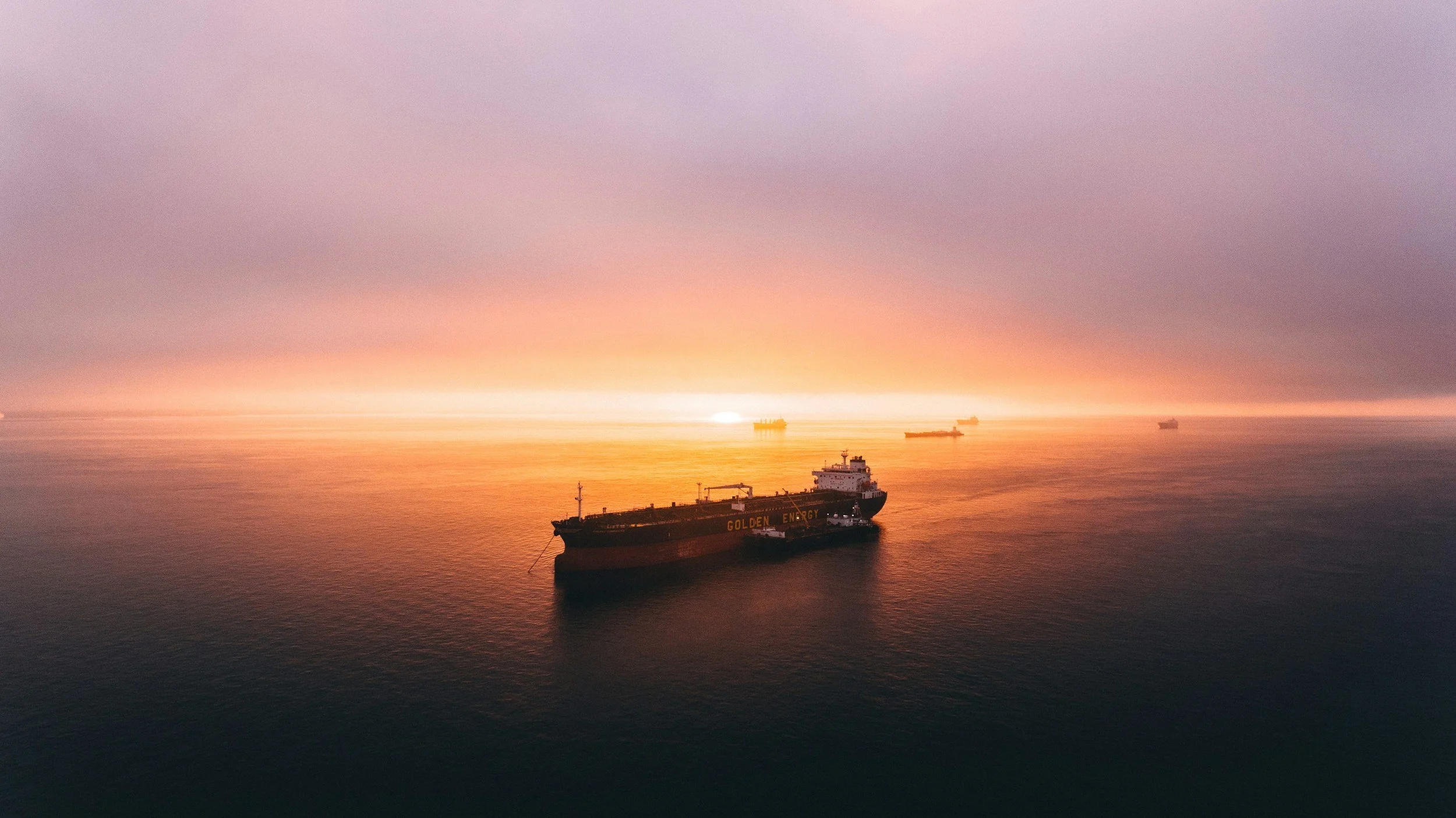
For many maritime professionals, the hardest part of the job is not always the work itself — it’s the transition between life at sea and life at home.
Long tours at sea require intense focus, discipline, and the ability to operate under sustained responsibility. Mariners spend weeks or months in highly structured environments where safety, communication, and operational awareness must remain sharp at all times.
This level of responsibility creates a very specific mental state — one designed for performance, vigilance, and reliability.
When a tour ends and it’s time to return home, however, that same mindset can make the transition surprisingly challenging.
Many mariners describe the experience as moving between two completely different worlds.
Life at Sea Operates on a Different System
Life aboard a vessel is highly structured.
Watch schedules are predictable. Roles are clearly defined. Decisions often need to be made quickly and with confidence. Crew members rely on each other, and everyone understands the chain of command that keeps operations running safely.
Over time, the brain adapts to this environment. Maritime professionals become extremely effective at maintaining focus and performing under pressure.
This structure supports excellent performance at sea — but it also means the sudden shift back to home life can feel disorienting.
Why Returning Home After a Tour Can Feel Stressful
When mariners return home after long tours at sea, several adjustments happen at the same time.
The operational structure of the vessel disappears.
Family routines have continued without them.
Expectations shift from professional performance to emotional presence.
Many maritime professionals report feeling:
mentally wired or unable to fully relax
impatient during the first days at home
disconnected from family routines
unsure how to slow down after sustained operational focus
None of these reactions mean something is wrong.
They simply reflect the nervous system adjusting from a high-responsibility operational environment to everyday life.
The Hidden Cost of Staying in Operational Mode
During a tour at sea, staying alert and mentally sharp is essential for safety. But when that heightened state continues after returning home, it can make recovery difficult.
Without intentional decompression, mariners may find themselves:
staying mentally focused on work
struggling to reconnect with family life
feeling restless or unable to fully relax
returning to the vessel without fully recovering
Over time, this cycle can contribute to fatigue and burnout.
Building a Healthy Transition Between Sea and Home
One of the most valuable skills maritime professionals can develop is the ability to intentionally transition between life at sea and life at home.
This doesn’t happen automatically. It requires small practices that help the nervous system shift from operational focus to recovery.
Helpful strategies often include:
Creating a decompression routine after returning from a tour
Allowing a short adjustment period before jumping into major responsibilities
Re-establishing healthy sleep patterns
Reconnecting with family through simple shared activities
These practices help signal to the brain that the environment has changed and it is safe to relax.
How Coaching Supports Maritime Professionals
Emotional resilience coaching for maritime professionals focuses on supporting both performance at sea and recovery between tours.
Sessions often focus on:
emotional regulation under pressure
sustainable performance during long tours
leadership communication within crews
structured decompression after returning home
maintaining strong family relationships across long separations
These tools allow maritime professionals to perform at a high level offshore while also protecting their personal well-being.
Supporting Long and Sustainable Maritime Careers
Working at sea requires technical skill, discipline, and resilience. But sustaining a long career in the maritime industry also requires learning how to move effectively between life aboard a vessel and life at home.
With the right tools and support, mariners can transition more smoothly between tours, recover more fully, and maintain the steadiness that both their crews and families depend on.
If you're interested in learning more about emotional resilience coaching for maritime professionals, you can explore more here:
https://www.larkspurwellness.com/maritime-professionals
FAQ
Why is it hard to adjust after a long tour at sea?
Maritime work requires sustained attention, discipline, and operational awareness. When a tour ends, the nervous system may still be operating in that heightened state, which can make it difficult to relax immediately.
How long does it take to decompress after a tour?
Adjustment periods vary, but many mariners report needing several days to a week to fully settle back into home routines.
Can coaching help maritime professionals manage stress?
Yes. Coaching can provide practical tools for emotional regulation, leadership communication, and navigating the transition between life at sea and life at home.
What Makes Allison Unique
My perspective on maritime resilience is shaped by nearly two decades of living within a maritime family. Through my husband’s long career as a maritime engineer, I have witnessed firsthand the realities of long tours at sea, international shipyards, and the transition into shoreside leadership.
Learn more about my coaching for maritime professionals and mariners working long tours at sea.
Why Maritime Coaching Is Different
Long tours at sea require different mental recovery strategies
Leadership dynamics onboard vessels differ from corporate settings
Reintegration with family after weeks away requires intentional tools
If you would like to learn more about coaching for maritime professionals and crews, you can explore more here: